

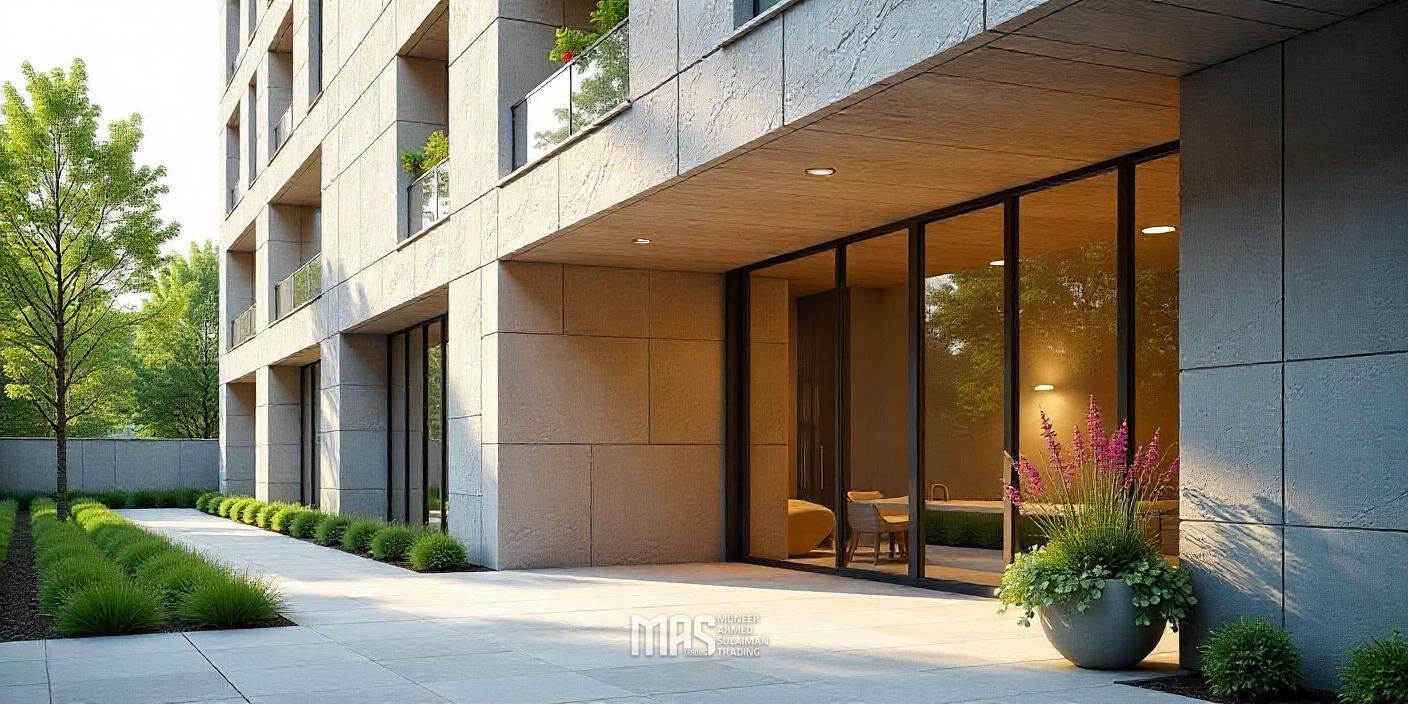

In today’s construction landscape, sustainability is no longer a buzzword—it’s a necessity. Environmental Product Declarations (EPDs) play a crucial role in assessing the ecological impact of building materials. This guide aims to demystify EPDs and highlight why natural stone is a superior choice for environmentally conscious projects.
What is an EPD?

An Environmental Product Declaration (EPD) is a standardized, internationally recognized document that provides transparent information about the environmental impact of a product throughout its lifecycle. Based on ISO standards, EPDs are essential for evaluating buildings’ ecological footprint, as outlined in the European Standards project “Sustainability of buildings.
EPDs quantify a product’s contribution to environmental issues like greenhouse gas emissions, eutrophication, acidification, ozone depletion, and smog formation. They also detail technical properties such as durability, insulation, and indoor air quality impact.
Why EPDs Matter for Natural Stone:

The Construction Products Regulation (CPR) within the European Union mandates reliable environmental performance data for building materials. Natural stone, despite its inherent “green” qualities, must provide EPDs to remain competitive.
EPDs level the playing field, allowing natural stone to showcase its environmental advantages against materials with larger marketing budgets.
The Role of PE INTERNATIONAL:
To ensure credibility and accuracy, the natural stone industry partnered with PE INTERNATIONAL, a global leader in sustainability performance solutions. Their expertise and extensive database guarantee that the EPD study meets the highest standards, accepted by EU and state administrations worldwide.
Key Findings of the EPD Study:
The EPD study reveals that natural stone consistently outperforms other materials in long-term environmental impact. For example, in a lifecycle assessment for hard floor coverings in an average office building in Dubai, natural stone showed significantly lower environmental impact compared to ceramics and cement.

The Opera Tower project in Frankfurt demonstrates the real-world impact of EPDs. Architects at Tishman Speyer, initially considering glass and ceramics, chose natural stone after reviewing the EPD data, recognizing its superior environmental performance.
Why Architects Should Choose Natural Stone:
- Proven Sustainability: EPDs provide scientific evidence of natural stone’s environmental benefits.
- Long-Term Performance: Natural stone’s durability and longevity contribute to reduced environmental impact over a building’s lifecycle.
- Aesthetic Versatility: Natural stone offers a wide range of textures, colors, and finishes, enhancing design possibilities.
- Health and Well-being: Natural stone contributes to a healthy indoor environment.