

When planning a renovation or building your dream home in Oman, selecting the right tiles is a crucial decision. Tiles impact not only the aesthetics of your space but also its functionality and long-term durability. Two of the most popular choices on the market are porcelain and ceramic. While they may seem similar at first glance, they have distinct differences that make one potentially better suited than the other for specific applications within your Omani residence.
At MAS.Trading, we want to empower you to make informed choices. This comprehensive comparison will delve into the key characteristics of porcelain and ceramic tiles – from durability and water resistance to cost and design options – helping you determine which champion best fits your needs and the unique demands of the Omani environment.
The Core Difference: How They Are Made
Understanding the manufacturing process is key to grasping the performance differences between porcelain and ceramic tiles:
- Ceramic Tiles: Made from coarser natural clays (often red or white) mixed with other natural materials, ceramic tiles are fired at lower temperatures (around 1,000 to 1,200°C). They are typically softer and more porous than porcelain unless glazed.
- Porcelain Tiles: Crafted from finer, denser clays (like kaolin) and finely ground sand (feldspar), porcelain tiles are fired at much higher temperatures (typically 1,200 to 1,400°C). This process results in a significantly harder, denser, and less porous tile.
These manufacturing distinctions directly influence their suitability for various applications in Omani homes.
Porcelain vs. Ceramic: A Head-to-Head Comparison
Let’s break down the key factors:
- Durability and Hardness:
- Porcelain: The winner. Its dense structure makes it exceptionally hard, durable, and resistant to scratches, chips, and heavy impact. It’s ideal for high-traffic areas like hallways, kitchens, and commercial spaces.
- Ceramic: While durable enough for many residential applications, ceramic is generally softer and more prone to chipping or cracking than porcelain. It’s better suited for light to moderate traffic areas, primarily on walls.
- Oman Context: For busy Omani households or areas expecting heavy use, porcelain offers superior longevity.
- Water Resistance:
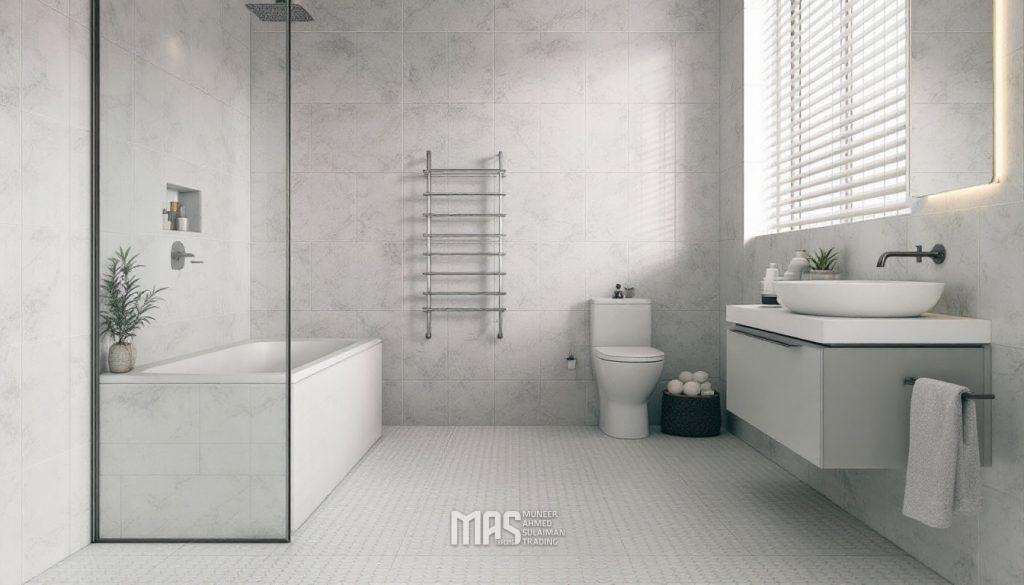
- Porcelain: The clear champion. Porcelain has a very low water absorption rate (0.5% or less, qualifying it as “impervious”). This makes it highly resistant to water damage, staining from spills, and ideal for wet areas.
- Ceramic: More porous than porcelain. While glazing helps protect the surface, the body of the tile can absorb moisture if the glaze is chipped or the grout fails. It’s suitable for bathrooms and kitchens but requires careful installation and maintenance.
- Oman Context: In Oman’s humid climate and for areas like bathrooms, kitchens, laundries, and especially outdoor spaces or pool surrounds, porcelain’s superior water resistance is a significant advantage.
- Stain Resistance:
- Porcelain: Highly resistant to stains due to its low porosity. Spills generally sit on the surface and can be easily wiped away.
- Ceramic: Glazed ceramic offers good stain resistance on its surface. However, unglazed or poorly glazed ceramic, or if the glaze is compromised, can be more susceptible to staining.
- Oman Context: For kitchens where spills are common, or in homes with young children, porcelain provides greater peace of mind.
- Maintenance:
- Porcelain: Very low maintenance. Easy to clean with just water and mild detergent. Its durability means less worry about damage during cleaning.
- Ceramic: Glazed ceramic is also easy to clean. Unglazed ceramic, like terracotta, requires more maintenance and sealing.
- Oman Context: Both offer relatively easy maintenance, but porcelain’s inherent toughness simplifies long-term care.
- Cost:
- Porcelain: Generally more expensive than ceramic tiles per square metre. This is due to the finer raw materials and more intensive manufacturing process.
- Ceramic: Typically more budget-friendly, making it an attractive option for projects with tighter cost constraints or for larger areas where budget is a primary concern.
- Oman Context: While ceramic offers upfront savings, consider porcelain’s longer lifespan and lower replacement likelihood as part of its overall value proposition. MAS.Trading offers options across different price points for both.
- Design and Aesthetics:
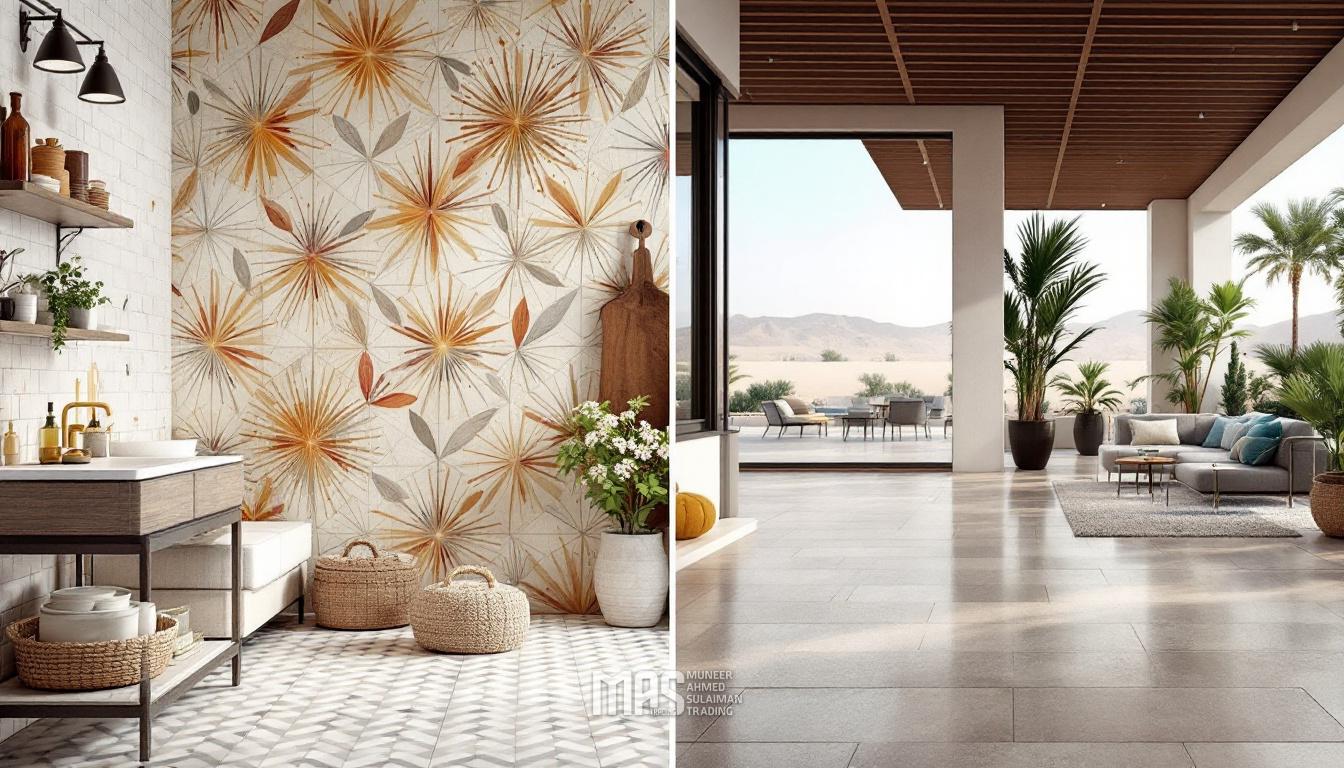
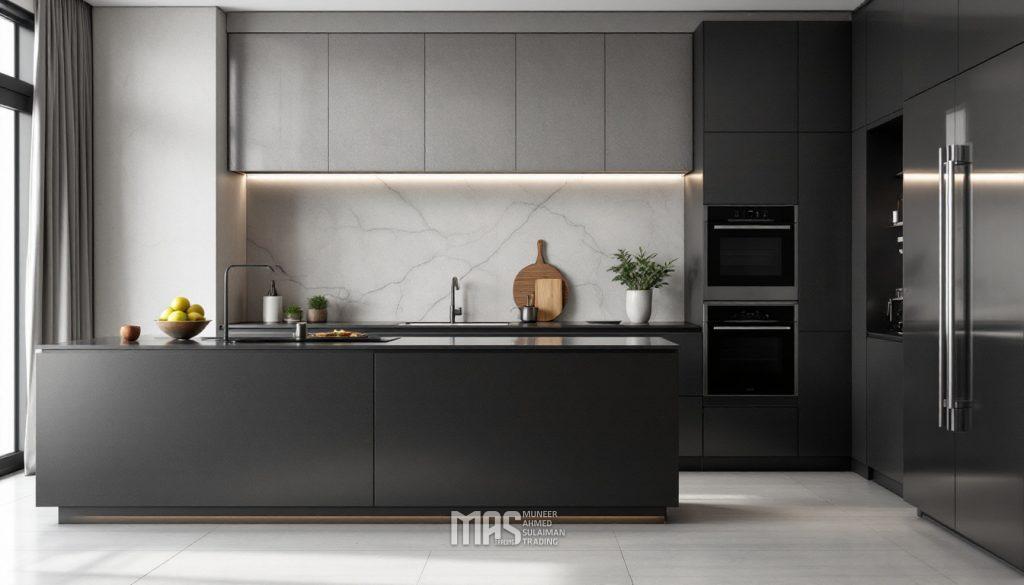
- Porcelain: Offers incredible design versatility. Advanced printing technology allows porcelain to convincingly mimic natural stone (marble, granite, slate), wood, concrete, and intricate patterns. Available in large formats, various finishes (polished, matte, textured), and through-body options where the color runs throughout the tile.
- Ceramic: Also available in a wide range of colors, patterns, and sizes. Often favored for decorative wall tiles, backsplashes, and areas where intricate designs or vibrant colors are desired. It’s generally easier to cut than porcelain.
- Oman Context: Both can beautifully complement Omani interior styles. Porcelain excels in achieving seamless, modern looks or high-end natural material aesthetics, while ceramic offers great versatility for decorative accents.
- Ease of Installation:
- Porcelain: Being harder and denser, porcelain can be more challenging to cut and drill, often requiring specialized tools. This can sometimes translate to slightly higher installation costs.
- Ceramic: Softer and easier to cut, making it a bit more DIY-friendly for experienced individuals, though professional installation is always recommended for best results.
- Oman Context: Regardless of choice, MAS.Trading’s professional installation team is equipped to handle both materials expertly, ensuring a perfect finish.
Which Tile is Right for Your Omani Home? A Quick Guide:
- Choose PORCELAIN if:
- You need maximum durability for high-traffic areas (hallways, living rooms, kitchens).
- Superior water resistance is critical (bathrooms, showers, laundries, outdoor areas, pool surrounds in Oman).
- You desire the look of natural stone or wood with minimal maintenance.
- Low maintenance and high stain resistance are top priorities.
- Your budget allows for a premium, long-lasting solution.
- Choose CERAMIC if:
- You are on a tighter budget.
- The application is for light to moderate traffic areas (e.g., bedroom floors, most wall applications).
- You’re looking for vibrant colors or intricate patterns for wall accents or backsplashes.
- Ease of cutting is a factor (though professional installation mitigates this concern).
Making the Informed Choice with MAS.Trading
Ultimately, the “best” tile depends on your specific needs, budget, and the area of application within your Omani home. Both porcelain and ceramic offer fantastic benefits when chosen and installed correctly.
The experts at MAS.Trading are here to help you navigate these choices. We invite you to visit our Muscat showroom to explore our extensive collections of both porcelain and ceramic tiles. Our knowledgeable consultants can discuss your project requirements, explain the nuances of each material, and help you select the perfect tile that aligns with your vision, lifestyle, and the unique Omani environment.
Ready to find the ideal tile solution? Contact MAS.Trading today or visit our showroom for personalized advice and to view our stunning range of porcelain and ceramic tiles. Let’s build beautiful, durable spaces together.